← Back to Authors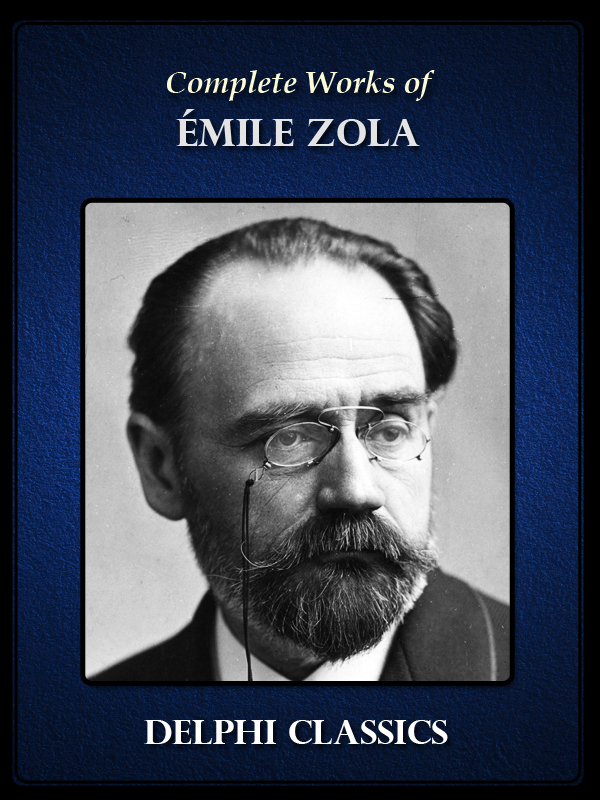

Featured Author
Emile Zola
French • Novelist • Playwright • Journalist
15 books in Langa
Domains
LiteratureJournalism
Books in Langa Library
15 books available from this author.
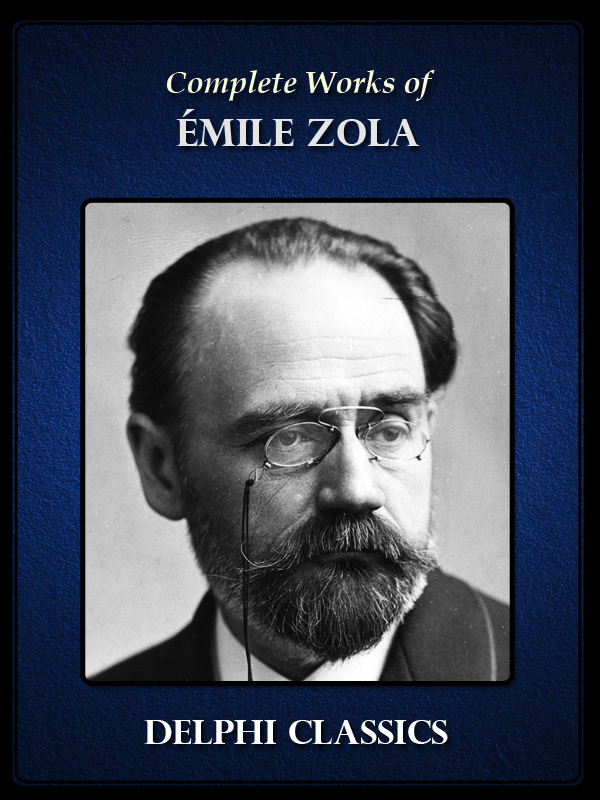
Delphi Complete Works of Emile Zola (Illustrated)
Delphi Classics · 2013 · English · EPUB
Émile Zola was the most prominent French novelist of the late nineteenth century. He was noted for his theories of naturalism, which permeate his monumental 20-novel series ‘Les Rougon-Macquart’. Recognised in his lifetime as one of the greatest novelists of his era, Zola was also as a man of action, a defender of truth and justice, and a champion of the poor and persecuted. For the first time in publishing history, this eBook presents Zola’s complete works, with numerous illustrations, rare texts, informative introductions and the usual Delphi bonus material. (Version 3)* Beautifully illustrated with images relating to Zola’s life and works* Concise introductions to the novels and other works* The complete Rougon-Macquart cycle, as well as all the other novels and series* Images of how the books were first printed, giving your eReader a taste of the original texts* Excellent formatting of the texts* The complete short stores* Includes Zola's famous 'J'accuse!', with explanatory introduction* Special criticism section, with essays by famous writers such as Henry James and James Joyce, evaluating Zola's contribution to literature* Features two bonus biographies by Zola's English translator* Special resources section, with the detailed listing of the Rougon-Macquart family tree, as well as an index of the main characters and locations in the twenty-novel series* Ordering of texts into chronological order and genres* UPDATED with improved texts and Vizetelly’s seminal biographyCONTENTS:The Early NovelsClaude’s Confession (1865)The Dead Woman’s Wish (1866)The Mystery of Marseille (1867)Therese Raquin (1867)Madeleine Ferat (1868)The Rougon-Macquart CycleThe Fortune of the Rougons (1871)The Rush for the Spoil (1871)The Fat and the Thin (1873)The Conquest of Plassans (1874)Abbe Mouret’s Transgression (1875)His Excellency Eugene Rougon (1876)The Dram Shop (1877)A Love Episode (1878)Nana (1880)Piping Hot (1882)The Ladies’ Paradise (1883)The Joy of Life (1884)Germinal (1885)His Masterpiece (1886)The Soil (1887)The Dream (1888)The Monomaniac (1890)Money (1891)The Downfall (1892)Doctor Pascal (1893)The Three CitiesLourdes (1894)Rome (1896)Paris (1898)The Four GospelsFruitfulness (1899)Work (1901)Truth (1903)The Short StoriesStories for Ninon (1864)New Stories for Ninon (1874)The Attack on the Mill (1880)Miscellaneous StoriesJ’Accuse !I Accuse...! (1898)The CriticismM. Zola (1892) by Arthur Quiller-CouchAn Extract from ‘My Literary Passions’ (1895) by William Dean HowellsZola (1898) by Henryk SienkiewiczÉmile Zola (1902) by William Dean HowellsBorlase and Son (1903) by James JoyceÉmile Zola (1903) by Henry JamesThe Zola Controversy (1915) by G. K. ChestertonThe BiographiesWith Zola in England (1899) by Ernest Alfred VizetellyÉmile Zola: Novelist and Reformer (1904) by Ernest Alfred VizetellyResourcesThe Rougon-Macquart Family TreeIndex of Characters in the Rougon-Macquart SeriesIndex of Locations in the Rougon-Macquart Series
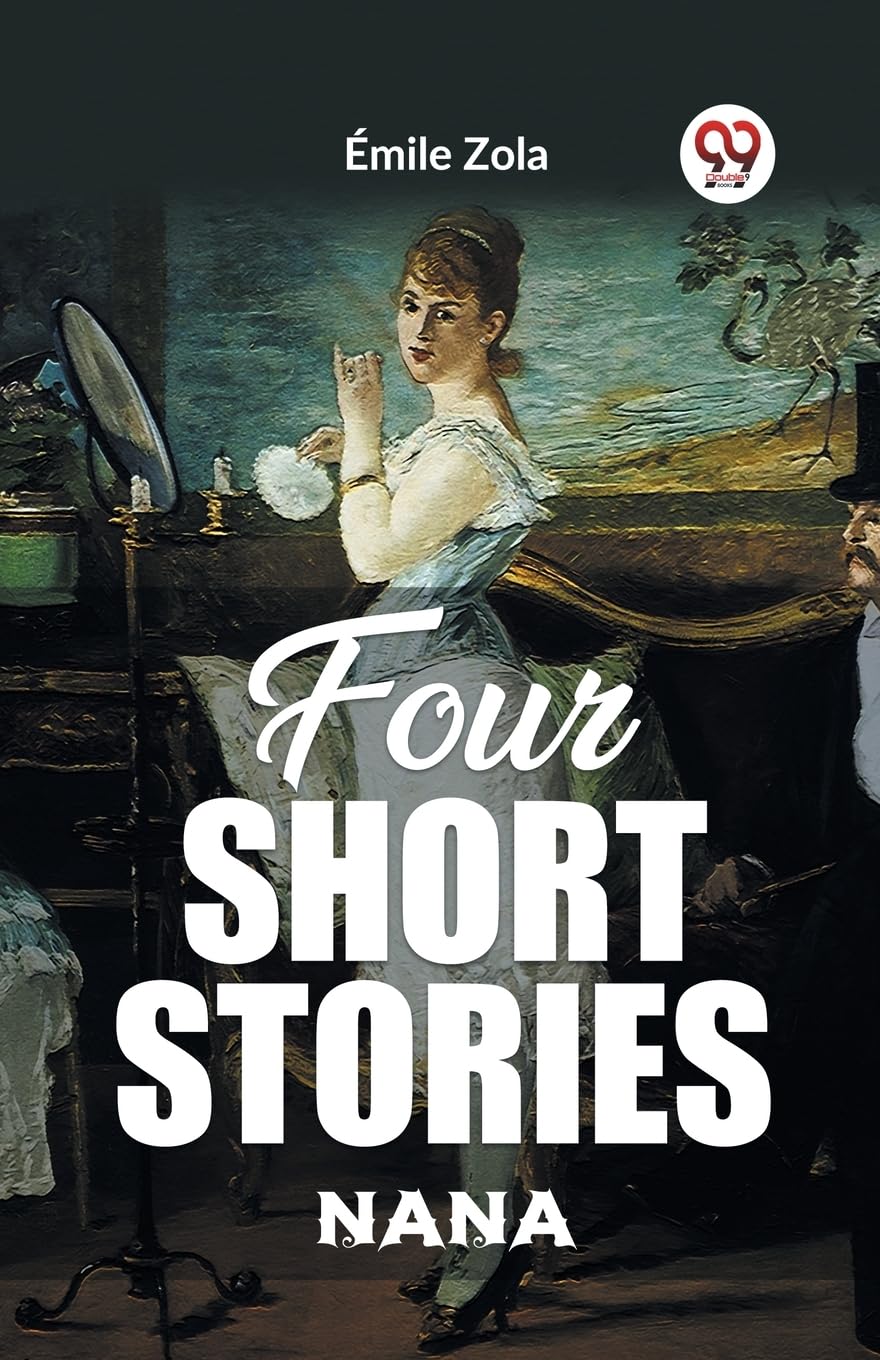
Four Short Stories Nana
BoD – Books on Demand · 2024 · English · EPUB
"Four Short Stories: NANA" by Émile Zola offers a compelling glimpse into French society through a collection of novellas that epitomize realism and naturalism. Set against the backdrop of Parisian society, Zola delves deep into the intricacies of human nature, morality, and relationships, presenting character studies that are both vivid and profound. Through meticulous observation and social commentary, Zola exposes the complexities of life in 19th-century France, exploring the passions, desires, and tragedies that shape the lives of his characters. From the eponymous NANA, a captivating courtesan whose rise and fall mirror the excesses of society, to the ordinary individuals grappling with moral dilemmas and societal expectations, Zola's narratives resonate with authenticity and depth. As a master of realism, Zola's portrayal of Parisian life is gritty and unapologetic, offering readers a raw and unfiltered view of the human condition. Through the lens of tragedy and passion, he delves into the darker aspects of society, challenging readers to confront uncomfortable truths about human nature and the consequences of societal decadence.
"Four Short Stories: NANA" stands as a timeless example of French literature, showcasing Zola's unparalleled talent for capturing the essence of life with unflinching honesty and insight.
Germinal
Penguin UK · 2004 · English · EPUB
Considered by André Gide to be one of the ten greatest novels in the French language, Émile Zola's Germinal is a brutal depiction of the poverty of a mining community in northern FranceÉtienne Lantier, an unemployed railway worker, is a clever but uneducated young man with a dangerous temper. Compelled to take a back-breakin job at Le Voreux mine when he cannot get other work, he discovers that his fellow miners are ill, hungry and in debt, unable to feed and clothe their families. When conditions in the mining community deteriorate even further, Lantier finds himself leading a strike that could mean starvation or salvation for all. The thirteenth novel in Zola's great Rougon-Macquart sequence, Germinal expresses outrage at the exploitation of the many by the few, but also shows humanity's capacity for compassion and hope.
Translated with an introduction by Roger Pearson in Penguin Classics If you enjoyed Germinal, you might like Zola's Thérèse Raquin, also available in Penguin Classics.
L'Assommoir
Neeland Media · 2009 · English · EPUB
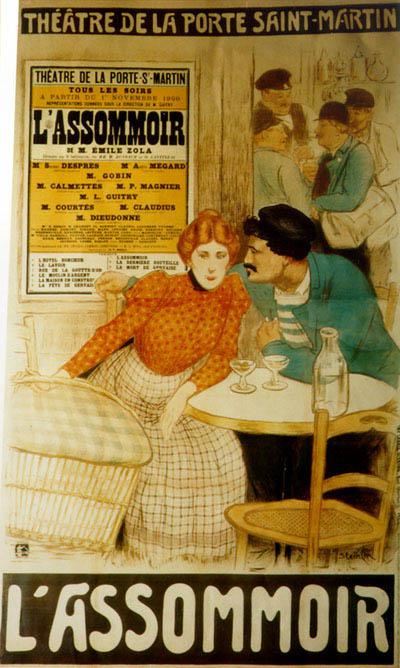
<div><p class="description">SUMMARY:<br>The seventh novel in the Rougon-Macquart cycle, L'Assommoir (1877) is the story of a woman's struggle for happiness in working-class Paris. At the center of the story stands Gervaise, who starts her own laundry and for a time makes a success of it. But her husband soon squanders her earnings in the Assommoir, a local drinking spot, and gradually the pair sink into poverty and squalor.. L'Assommoir was a contemporary bestseller, outraged conservative critics, and launched a passionate debate about the legitimate scope of modern literature. This new translation captures not only the brutality but the pathos of its characters' lives.</p> <p class="description">SUMMARY:<br>Widely acknowledged as one of Emile Zola's masterpieces, "L'Assommoir" is a novel immersed in the harsh poverty and relief-giving alcoholism of working-class Paris in the nineteenth century. At the heart of Zola's shockingly realistic descriptions is Gervaise, a mother abandoned by her lover who must learn to survive alone on what she can earn. When she marries the abstemious roof-worker Coupeau and manages to open her own laundry, life is for a while successful and happy. Unfortunately, Coupeau is seriously injured shortly after the birth of their daughter Anna, and his plunge into heavy drinking soon proves ruinous for the entire family. A contemporary commercial triumph, Zola's novel sparked discussion and criticism in both the social and literary realms, establishing the author's international reputation for a masterful use of the French language that devastatingly depicted the tragedy of realism.</p></div> <p>The seventh novel in the Rougon-Macquart cycle, <em>L'Assommoir</em> (1877) is the story of a woman's struggle for happiness in working-class Paris. At the center of the story stands Gervaise, who starts her own laundry and for a time makes a success of it. But her husband soon squanders her earnings in the Assommoir, a local drinking spot, and gradually the pair sink into poverty and squalor.. <em>L'Assommoir</em> was a contemporary bestseller, outraged conservative critics, and launched a passionate debate about the legitimate scope of modern literature. This new translation captures not only the brutality but the pathos of its characters' lives.</p>
+1
Nana(Les Rougon-Macquart #9) by Emile Zola (Illustrated Edition)
Independently Published · 2021 · English · EPUB
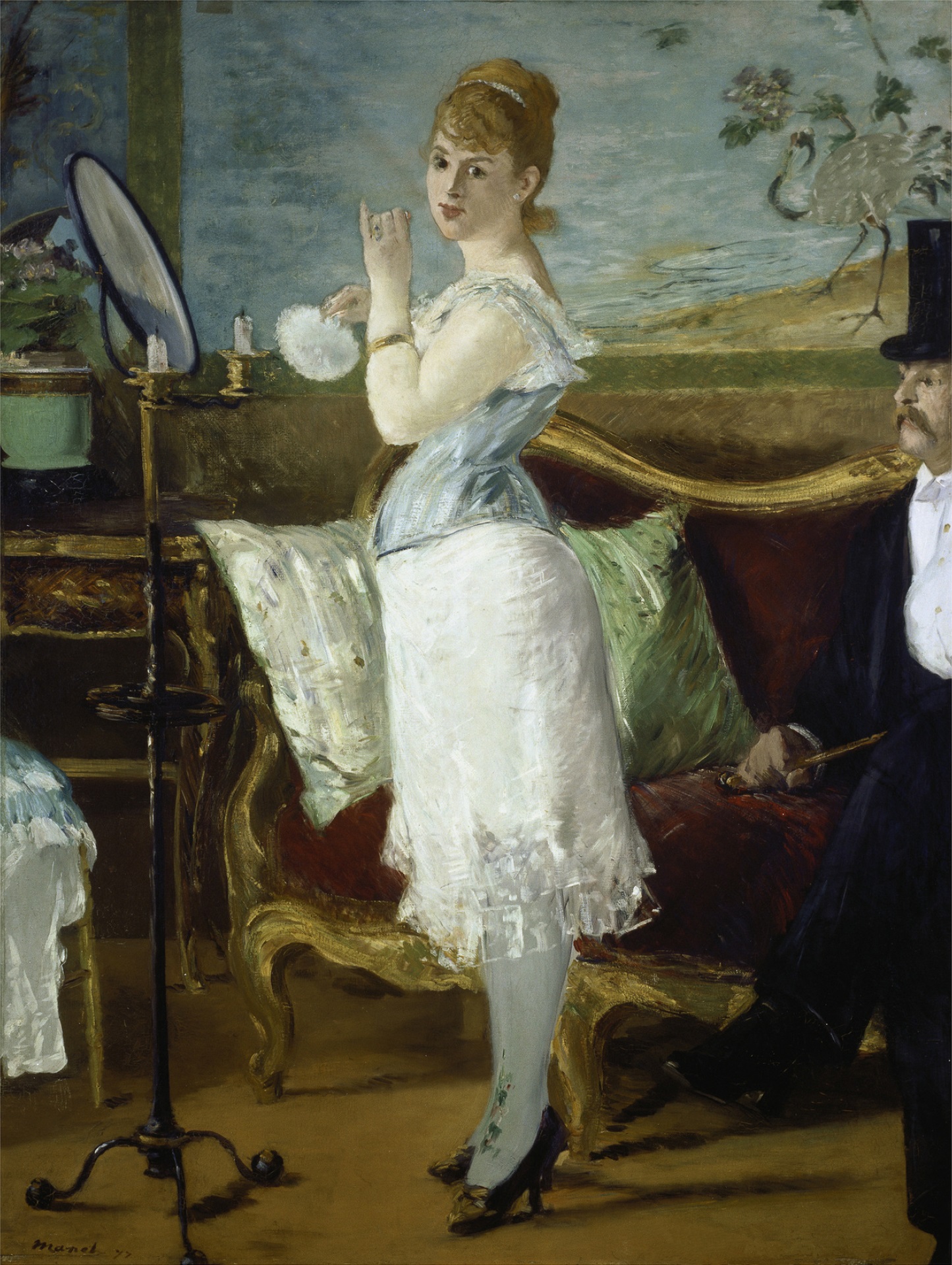
Nana is a novel by the French naturalist author Émile Zola. Completed in 1880, Nana is the ninth installment in the 20-volume Les Rougon-Macquart series, which was to tell "The Natural and Social History of a Family under the Second Empire.
"The novel was an immediate success. Le Voltaire, the French newspaper that was to publish it in installments from October 1879 on, had launched a gigantic advertising campaign, raising the curiosity of the reading public to a fever pitch. When Charpentier finally published Nana in book form in February 1880, the first edition of 55,000 copies was sold out in one day. Flaubert and Edmond de Goncourt were full of praise for Nana. On the other hand, a part of the non-reading public, spurred on by some critics, reacted to the book with outrage. While the novel is held up as a fine example of writing, it is not especially true to Zola's touted naturalist philosophy; instead, it is one of the most symbolically complex of his novels, setting it apart from the earthy "realism" of L'Assommoir or the more brutal "realism" of La Terre (1887). However, it was a great deal more authentic than most contemporary novels about the demimonde.
Nana is especially noted for the crowd scenes, of which there are many, in which Zola proves himself a master of capturing the incredible variety of people. Whereas in his other novels -- notably Germinal (1885) -- he gives the reader an amazingly complete picture of surroundings and the lives of characters, from the first scene we are to understand that this novel treads new ground.
Flaubert summed up the novel in one perfect sentence: Nana tourne au mythe, sans cesser d'être réelle.
(Nana turns into myth, without ceasing to be real.)
The Beast Within
Penguin Group US · 2008 · English · EPUB
A superb new translation of one of the most intense and explicit works of the nineteenth-century French master Émile Zola considered The Beast Within-also known as La Bête Humaine-to be his "most finely worked" novel. This new translation finally captures his fast- paced yet deliberately dispassionate style. Set at the end of the Second Empire, when French society seemed to be hurtling into the future like the new railways and locomotives it was building, The Beast Within is at once a tale of murder, passion, and possession and a compassionate study of individuals derailed by the burden of inherited evil. In it, Zola expresses the hope that human nature evolves through education but warns that the beast within continues to lurk beneath the veneer of technological progress.
The Debacle
Penguin Books Ltd · 1892 · English · EPUB
Conservative and working-class, Jean Macquart is an experienced, middle-aged soldier in the French army, who has endured deep personal loss. When he first meets the wealthy and mercurial Maurice Levasseur, who never seems to have suffered, his hatred is immediate. But after they are thrown together during the disastrous Franco-Prussian war of 1870-71, the pair are compelled to understand one other. Forging a profound friendship, they must struggle together to endure a disorganised and brutal war, the savage destruction of France's Second Empire and the fall of Napoleon III. One of the greatest of all war novels, The Debacle is the nineteenth novel in Zola's great Rougon-Macquart cycle. A forceful and deeply moving tale of close friendship, it is also a fascinating chronicle of the events that were to lead, in the words of Zola himself, to 'the murder of a nation'.
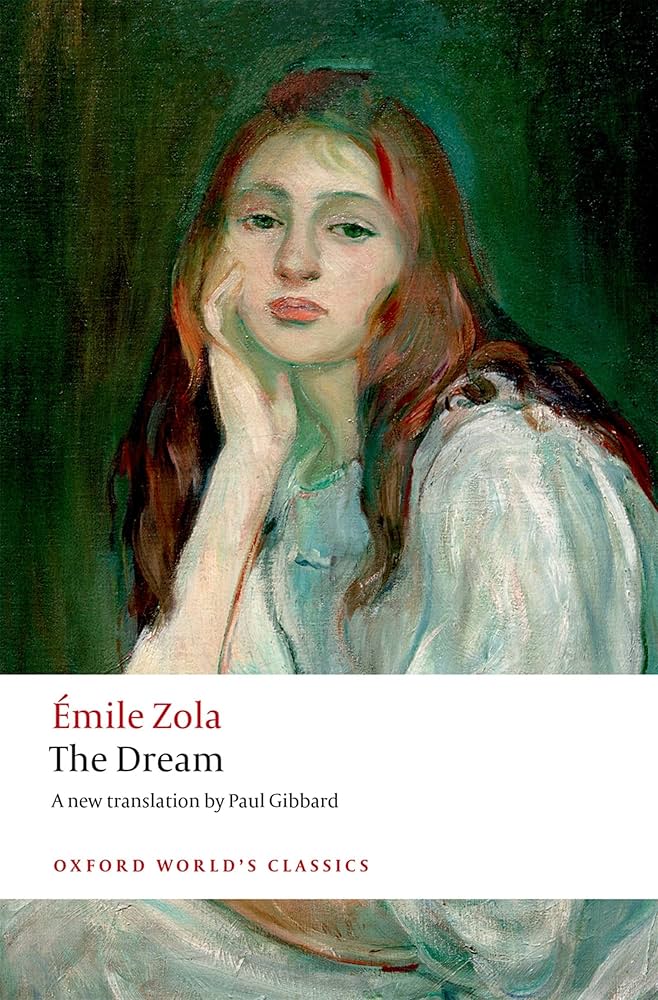
The Dream
Oxford University Press · 2018 · English · EPUB
Is it wrong to love whatever is beautiful and rich? I love it precisely because it is beautiful, because it is rich - because, I think, it brings joy to my heart. . . On Christmas day, in the flurry of a snow storm, the Huberts discover a ragged nine year old girl sheltering under the neighbouring cathedral porch. Childless and pious, the couple take in and raise Angelique as their own. The girl is intensely passionate, and given to rage and disobedience as well as love and religious fervour. Inspired by The Golden Legend, Angelique creates a dream world all of her own, peopled with spirits. As part of her dream vision, she becomes convinced she will marry a rich and handsome young prince. Her wish seemingly comes true when she falls in love with a lord's son... The sixteenth novel in the Rougon-Macquart series, The Dream marks a departure by Zola from the conventions of realism. Here, Zola explores the persistence of mysticism, but also blends elements of fairy tale with the naturalist techniques for which he had become known. This edition contains a wide-ranging introduction placing Zola's changing concerns in the context of his wider work, and illuminates key themes in the novel, such as architecture, heraldry, and the lives of the saints.
The Drinking Den
Penguin Group USA, Inc. · 2010 · English · EPUB
Set in the taverns of Paris, this is perhaps the first classical tragedy of working-class people living in the slums of a city. The Drinking Den (1877) is part of the Rougon-Macquart series, a naturalistic history of two branches of a family tracedthrough several generations. Zola's work was influenced by contemporary theories of heredity and experimental science, and the behaviour of the two families is shown to be conditioned by environment and inherited characteristics, chiefly drunkenness and mental instability.
Set in the taverns of Paris, this is perhaps the first classical tragedy of working-class people living in the slums of a city. The Drinking Den (1877) is part of the Rougon-Macquart series, a naturalistic history of two branches of a family traced through several generations. Zola's work was influenced by contemporary theories of heredity and experimental science, and the behaviour of the two families is shown to be conditioned by environment and inherited characteristics, chiefly drunkenness and mental instability.
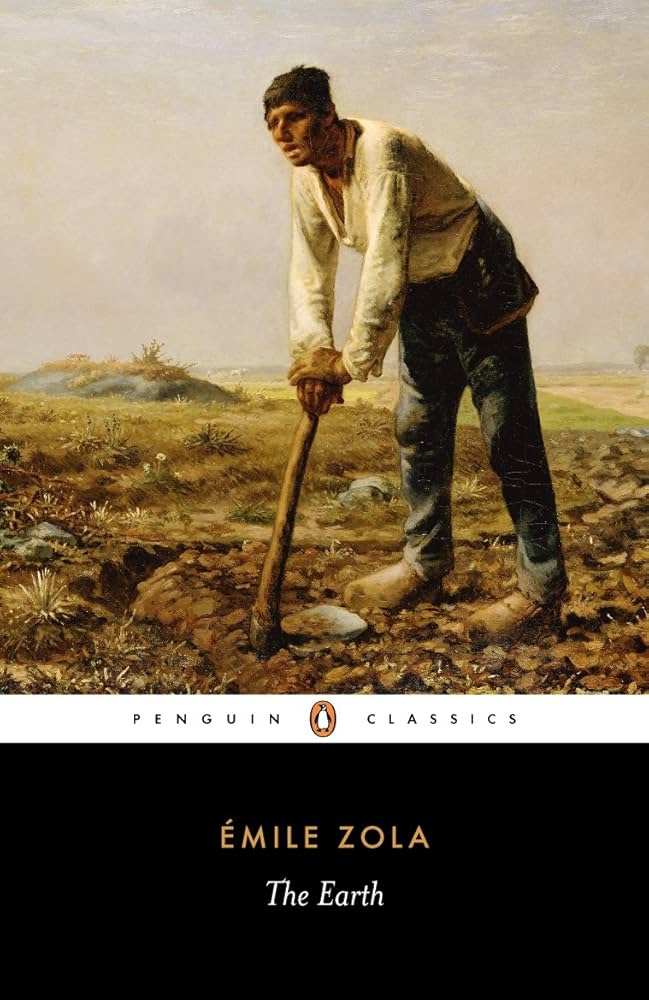
The Earth
Penguin UK · 2006 · English · EPUB
When Jean Macquart arrives in the peasant community of Beauce, where farmers have worked the same land for generations, he quickly finds himself involved in the corrupt affairs of the local Fouan family. Aging and Lear-like, Old Man Fouan has decided to divide his land between his three children: his penny-pinching daughter Fanny, his eldest son - a far from holy figure known as 'Jesus Christ' - and the lecherous Buteau, Macquart's friend. But in a community where land is everything, sibling rivalry quickly turns to brutal hatred, as Buteau declares himself unsatisfied with his lot. Part of the vast Rougon-Macquart cycle, The Earth was regarded by Zola as his greatest novel. A fascinating portrayal of a struggling but decadent community, it offers a compelling exploration of the destructive nature of human ignorance and greed
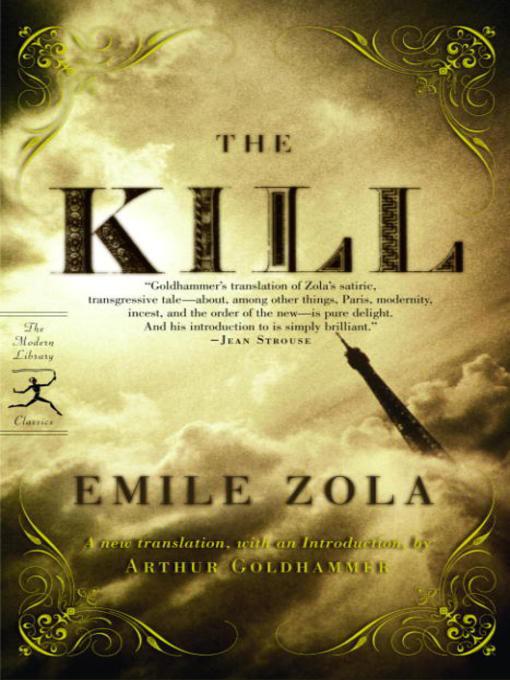
The Kill
Modern Library · 1976 · English · EPUB
### Review
"Goldhammer's translation of Zola's satiric, transgressive tale--about, among other things, Paris, modernity, incest, and the order of the new--is a work of pure delight. And his introduction to the novel is simply brilliant." --Jean Strouse, author of *Morgan: An American Financier*
"Zola's ferocious, brutally direct novel of modern desire is made fully present in Arthur Goldhammer's new translation. It is Paris then, it is our city now. " -Jay Cantor, author of *Great Neck* and *Krazy Kat*
"Elegantly translated, with his customary urbane sparkle and precision, by Arthur Goldhammer, this new edition of *The Kill* is a pleasure to be savored." -Ella Taylor, film critic, *LA Weekly*
*From the Hardcover edition.*
### Product Description
Here is a true publishing event–the first modern translation of a lost masterpiece by one of fiction’s giants. Censored upon publication in 1871, out of print since the 1950s, and untranslated for a century, Zola’s *The Kill* (La Curée) emerges as an unheralded classic of naturalism. Second in the author’s twenty-volume *Rougon-Macquart* saga, it is a riveting story of family transgression, heedless desire, and societal greed.
The incestuous affair of Renée Saccard and her stepson, Maxime, is set against the frenzied speculation of Renée’s financier husband, Aristide, in a Paris becoming a modern metropolis and “the capital of the nineteenth century.” In the end, setting and story merge in actions that leave a woman’s spirit and a city’s soul ravaged beyond repair. As vividly rendered by Arthur Goldhammer, one of the world’s premier translators from the French, *The Kill* contains all the qualities of the school of fiction marked, as Henry James wrote, by “infernal intelligence.”
In this new incarnation, *The Kill* joins *Nana* and *Germinal* on the shelf of Zola classics, works by an immortal author who–explicit, pitiless, wise, and unrelenting–always goes in for the kill.
*From the Hardcover edition.*
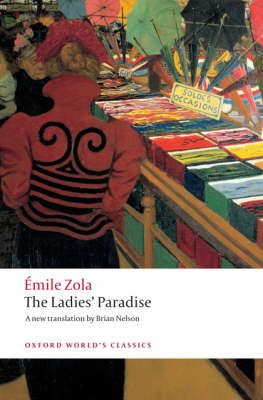
The Ladies' Paradise
CreateSpace Independent Publishing Platform · 2017 · English · EPUB
The Ladies' Paradise, originally Au Bonheur des Dames, is the eleventh novel of the famous Rougon-Macquart (1871-1893) series of twenty novels written by Émile Zola. It tells a rags-to-riches story about Denise Baudu, a poor young girl from the provinces, and Octave Mouret, the wealthy owner of the department store where Denise comes to work. The rise of the modern department store in late nineteenth-century Paris, the store as a symbol of capitalism of the modern city, and the bourgeois revolution tell us a fascinating story of love and ambition, while depicting a rich texture of Parisian society. Part of Adeptio's Unforgettable Classic Series, this is not a facsimile reprint. Obvious typographical errors have been carefully corrected and the entire text has been reset and redesigned by Adeptio Editions to enhance readability, while respecting the original edition. About the Author: Émile-Édouard-Charles-Antoine Zola (1840-1902) was a journalist, a novelist, a playwright, and a political activist. He was one of the most influential French novelists of the 19th century and the founder of the literary and theatrical school of naturalism. Zola was a major figure in the political liberalization of France. During his youth in the south of France, Zola befriended Paul Cézanne, his schoolmate and future renowned Post-Impressionist painter-best known for his incredibly varied painting style that influenced 20th century abstract art. Zola's first book, Contes à Ninon (Stories for Ninon), was a collection of short stories dedicated to his imaginary childhood love, Ninon. He published his debut novel in 1865, La Confession de Claude, an autobiographical work that chronicled a man falling in love with a sex worker. The book drew the attention of the public as well as of the police, and it was banned in the social circles, causing Zola to lose his job. Zola went on to write Thérèse Raquin (1867), his first major novel, which delves into intrigue, adultery, and murder; and the dark love story Madeleine Férat (1868), his last novel before he started his masterful Rougon-Macquart 20-novel series. Émile Zola's works include novels, dramas, poetry, and criticism, among which is his famous Les Rougon-Macquart (1871-1893), a cycle of twenty novels which depict various aspects of life and society, such as The Fortune of the Rougons (La Fortune des Rougon) originally published in 1871 and the first novel of the series; The Rush For The Spoil (La Curée), in 1872; The Conquest of Plassans (La Conquête de Plassans), in 1874; The Assommoir - The Prelude to Nana (L'Assommoir), in 1877, the seventh novel of the series, about the suffering of the Parisian working-class; Nana (1880), the ninth installment, which deals with prostitution; Piping Hot! (Pot-Bouille), in 1882, the tenth novel of the cycle and Zola's most sarcastic satire, which describes daily life in a newly constructed block of flats in late nineteenth-century Paris; The Ladies Paradise (1883), the eleventh novel (original title: Au Bonheur des Dames), which focuses on Octave Mouret, who, in Piping Hot!, meets Caroline Hédouin, the owner of a small silk shop; Germinal (1885), the thirteenth novel in the series, which depicts the mining industry and is considered by some as his masterpiece; and The Soil (La Terre), in 1887-all published by Adeptio Editions. Zola's open letter to French president Félix Faure, under the headline J'Accuse...!, published on the front page of the newspaper L'Aurore on January 13, 1898, charging various French officials with a "terrible miscarriage of justice," reopened the case of the Jewish army officer, Captain Alfred Dreyfus, who had been sentenced to Devil's Island. For that, Zola was himself sentenced to a year in prison but fled to England, returning one year later after Dreyfus' name had been cleared. Dreyfus was eventually reinstated as an officer and publicly decorated with the Legion of Honor.
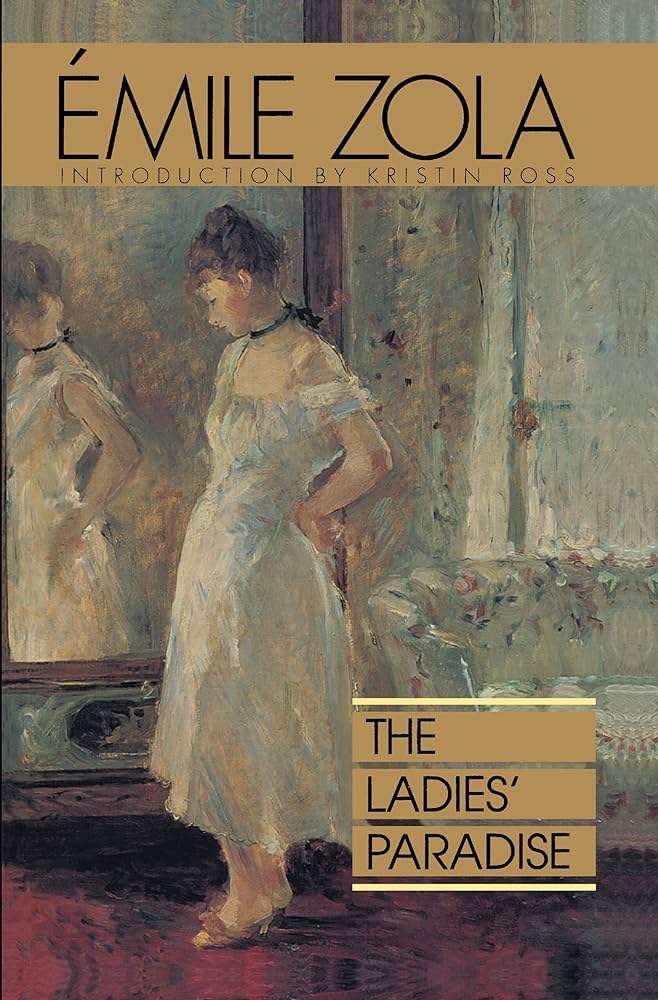
The Ladies’ Paradise (Oxford World’s Classics)
Oxford University Press · 1883 · English · EPUB
*The Ladies Paradise* ( *Au Bonheur des Dames* ) recounts the rise of the modern department store in late nineteenth-century Paris. The store is a symbol of capitalism, of the modern city, and of the bourgeois family: it is emblematic of changes in consumer culture and the changes in sexual attitudes and class relations taking place at the end of the century.
Octave Mouret, the store's owner-manager, masterfully exploits the desires of his female customers. In his private life as much as in business he is the great seducer. But when he falls in love with the innocent Denise Baudu, he discovers she is the only one of the salesgirls who refuses to be commodified.
This new translation of the eleventh novel in the *Rougon-Macquart* cycle captures the spirit of one of Zola's greatest works.
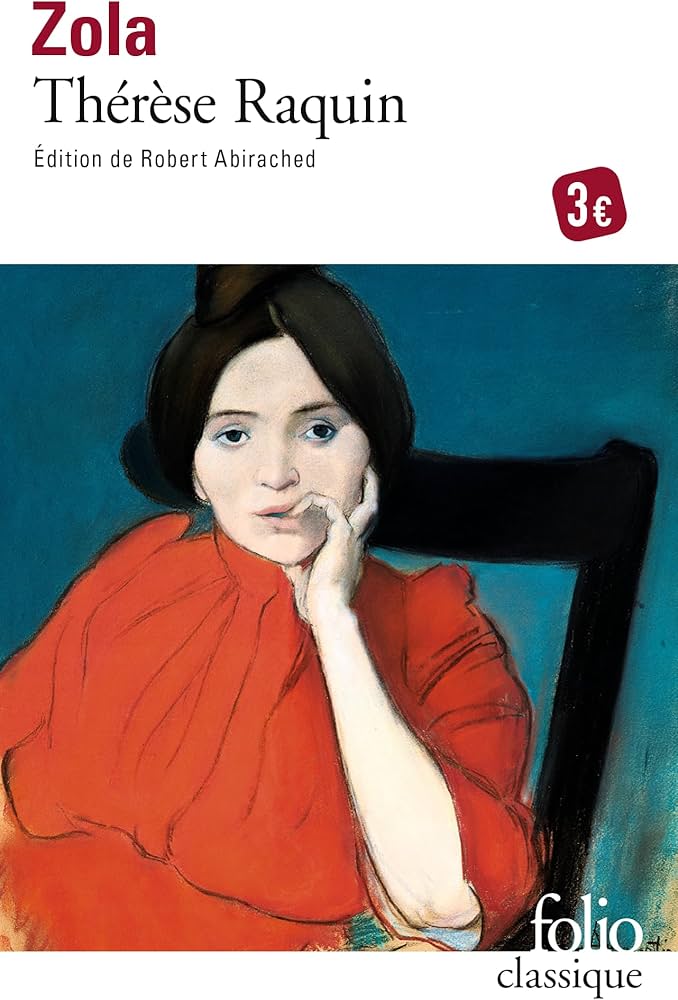
Therese Raquin
Penguin Group US · 2005 · English · EPUB
In a dingy apartment on the Passage du Pont-Neuf in Paris, Thérèse Raquin is trapped in a loveless marriage to her sickly cousin, Camille. The numbing tedium of her life is suddenly shattered when she embarks on a turbulent affair with her husband’s earthy friend Laurent, but their animal passion for each other soon compels the lovers to commit a crime that will haunt them forever. Thérèse Raquin caused a scandal when it appeared in 1867 and brought its twenty-seven-year-old author a notoriety that followed him throughout his life. Zola’s novel is not only an uninhibited portrayal of adultery, madness, and ghostly revenge, but also a devastating exploration of the darkest aspects of human existence. Robin Buss's translation superbly conveys Zola's fearlessly honest and matter-of-fact style, combining fidelity to Zola's idiosyncrasies with easy fluency in English Introduction discusses Zola's life and literary career and the influence of art, literature, and science on his writing Includes the preface to the author's second edition of 1868, chronology, suggestions for further reading, and notes